How NZ Medical Alarms Help Seniors Live Independently at Home
When my grandmother first mentioned that she had started leaving the stove on by accident, I knew we needed to have a serious conversation about her living situation. She was adamant about staying in her own home, the same house she had lived in for forty years. That is when I started looking into NZ medical alarms in earnest, and what I found surprised me. These devices have come a long way from the simple pendant that only worked inside the house.
The decision to stay at home as we age is deeply personal. For many older New Zealanders, the thought of leaving their community, their garden, or the corner dairy where the shopkeeper knows their name is genuinely upsetting. Yet the worry for family members is equally real. A fall can happen in an instant, and the difference between a minor incident and a serious one often comes down to how quickly help arrives. That is where modern personal alarms have changed the equation entirely.
What Makes a Medical Alarm Actually Work?
Not all medical alarms are created equal, and the differences matter more than most people realise. The older generation of alarms required you to be within a certain range of a base unit in your home. If you fell in the garden or down the driveway, the device would be useless. Modern NZ medical alarms now include GPS tracking that works wherever you go. This is not a small improvement. It means a person can walk to the local shops, visit a friend across town, or tend to the backyard and still have access to help if something goes wrong.
I remember talking to a retired electrician in Christchurch who told me he had a fall while fixing a fence at the back of his property. He was out of earshot of the house, and it took him almost an hour to crawl back to the phone. That kind of story is far too common. A GPS-enabled alarm would have sent his location immediately, and help could have been there in minutes.
Fall Detection: The Feature That Changes Everything
One of the most important advances in this space is automatic fall detection. Many older adults worry that they might not be able to press the button after a fall. A stroke, a head injury, or even the shock of the fall itself can leave someone disoriented or unconscious. Fall detection technology uses accelerometers and gyroscopes inside the device to sense the motion and impact of a fall, and it can trigger an alert automatically.

This is not perfect technology, and it is important to understand its limits. A slow, controlled slide off a chair may not always be detected as a fall. But for sudden, high-impact falls on hard surfaces, the detection rate is very high. I have spoken with paramedics who say that automatic fall alerts have saved lives that would otherwise have been lost to hours of lying on a cold floor.
Family Monitoring and Two-Way Calling
Another feature that has gained traction in New Zealand is family monitoring. Rather than sending alerts to a remote call centre staffed by strangers, some systems allow family members to receive notifications directly. This gives adult children peace of mind without requiring them to be physically present. When an alarm is triggered, the system can initiate a two-way call, allowing the person who has fallen to speak directly to a family member or a trained operator.
This two-way calling is more than just a convenience. It allows the responder to assess the situation verbally. They can ask if the person is injured, whether they need an ambulance, or if they just need help getting up. This reduces unnecessary emergency callouts and ensures that when an ambulance is sent, it is genuinely needed. From a practical standpoint, this also lowers the long-term cost of the service, which matters for families on a budget.
Choosing the Right System for Your Situation
When I help friends and family evaluate their options, I always suggest they think about three things:
- Where does the person spend their time? If they rarely leave the house, a home-based system might be sufficient. If they are active and mobile, GPS is essential.
- How comfortable are they with technology? Some devices are simple pendants with a single button. Others are smartwatches with more features but also a steeper learning curve.
- Who will respond when an alert comes in? If the family lives nearby and can respond quickly, a family-monitored system can work well. If the family is in another city or country, a professional monitoring centre is a better choice.
There is no single best answer for everyone. I have seen a 92-year-old woman thrive with a basic pendant because she never goes anywhere without her daughter. I have also seen a 70-year-old man who needed a GPS watch because he still drove himself to golf twice a week. The right choice depends on lifestyle, health, and the support network available.

Common Misconceptions About Medical Alarms
One thing I hear often is that these devices are only for very frail or very old people. That is not accurate. Many people in their sixties and seventies who are still active use them as a safety net. The reality is that fitness does not prevent accidents. A gardener stepping onto a loose paving stone, a cyclist losing balance on a gravel path, or a cook slipping on a wet kitchen floor can happen at any age. Having an alarm means you do not have to wait for someone to find you.
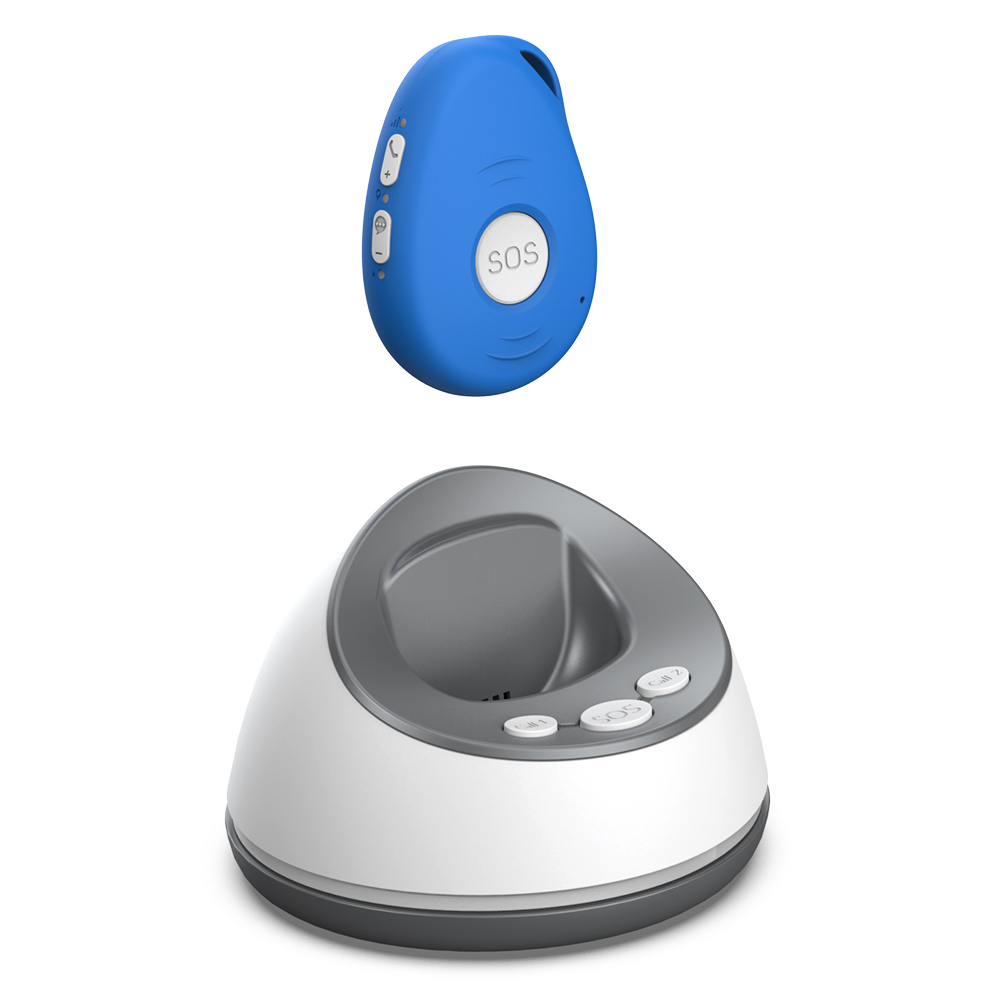
Another misconception is that the devices are complicated to use. Most modern NZ medical alarms are designed with simplicity in mind. A single press of a button connects you to help. Charging is usually wireless, and the devices are water-resistant so they can be worn in the shower, which is actually one of the most common places for falls to occur.
Practical Tips for Getting Started
If you are considering a medical alarm for yourself or a loved one, here is what I recommend:
- Start with a trial period if the provider offers one. This gives you a chance to see how the device feels in daily life and whether it is comfortable to wear.
- Test the system with a real call. Do not just assume it works. Have someone press the button and go through the entire process to make sure the response is timely and the communication is clear.
- Talk to the provider about what happens if the device battery dies or if you lose the device. Good providers have replacement policies and quick shipping for New Zealand addresses.
- Involve the person who will wear the alarm in the decision. If they feel it is being forced on them, they will not wear it. Let them choose the style and colour if options are available.
These steps may seem simple, but they make a real difference in whether the device becomes a useful tool or a forgotten item in a drawer.
The Bigger Picture
Living independently at home is not just about avoiding falls. It is about maintaining dignity, routine, and a sense of control over your own life. Medical alarms are not a cure for all the challenges of aging, but they are a practical tool that removes one significant risk. Knowing that help is a button press away can give both the older adult and their family the confidence to continue living the life they want.
I have seen families wait too long to have this conversation, often until after a serious incident has already happened. By then, the choice is no longer about convenience but about recovery. Having a system in place beforehand is not giving up on independence. It is protecting it.
Connect with us on YouTube.
For those in New Zealand looking into reliable options, Familyr provides personal medical alarms for seniors in New Zealand with SOS, GPS, fall detection, and family-monitored two-way calling, and is based at 14 Grand View Road, Remuera, Auckland 1050, New Zealand, reachable at +64 9 872 0345.